

Press Room
Welcome to the Press Room:
I will miss you when you’re gone
written by Jessica Moss
directed by Adrian Prendergast
March 5-21, 2026
Thursday-Saturdays, 7:30 PM | Sundays, 2:00 PM
Industry Night - Monday, March 16, 7:30 PM
Theatre Off Jackson
409 7th Ave, Seattle WA 98104
Dramaturgical Information for the Inquiring Journalist.
Themes
A lonesome country song about grief and bureaucracy, I will miss you when you’re gone is a hilariously moving play about how loneliness and isolation drive people to drastic measures. In a non-descript office building and a drab apartment, two women are haunted by the wrong ghosts. Is it an administrative filing error or are they there to help people in danger of disappearing find the connections that they so desperately need? A painfully humorous story about four women struggling with life, loss, and longing for connection in a lonely modern world.
I will miss you when you’re gone grapples with the themes of workplace burnout, suicidal ideation, and survivors’ grief at the loss of a loved one to a long-term illness (in this case, cervical cancer), all set to a soundtrack of classic country music.
Genesis of the Play
I will miss you when you’re gone is a world premiere production, but not the first time it has appeared inside the walls of a Seattle theatre. Playwright Jessica Moss and director Adrian Prendergast first met during the 2024 Distillery Festival at Seattle Public Theatre, where Adrian directed a staged reading of I will miss you when you’re gone.
Jessica says of her writing, “I always want to write things that are funny and that have great female characters and that let women be really funny and dynamic and difficult and show a huge range of emotion.” I will miss you when you’re gone is a tear-jerker that among other things focuses on the idea that someone can be completely mean to other people and still be suffering on the inside.
-
The character of Teresa dies from metastatic cervical cancer. She wears a cancer hat, for patients undergoing chemotherapy who lose their hair (knitted for this show by a knitter from Philadelphia, PA who prefers to remain anonymous, but who regularly knits hats for the Lankenau Hospital in Wynnewood, PA). Celeste’s apartment is adorned with teal and white ribbons
Cervical Cancer begins in the cervix, or end of the uterus. This cancer is slow developing, sometime taking years to develop past the precancerous stage. The dangerous flip-side to this is because symptoms often do not present in early stages, it can be harder to catch without regular Pap and HPV screenings. Long lasting HPV infections are the leading cause of Cervical Cancers.
When cervical cancer is diagnosed at an early stage, the 5-year relative survival rate is 91%. When cervical cancer is diagnosed after it has spread to nearby tissues, organs, or regional lymph nodes, the 5-year relative survival rate is 60%. When cervical cancer is diagnosed after it has spread to a distant part of the body, the 5-year relative survival rate is 19%. The 5-year relative survival rate for all people with cervical cancer is 67%.
It goes without saying that cancer and undergoing intensive treatment can be one of the hardest ordeals the human body can undergo. It’s a personal journey and fight that makes it intensely important to have the support of community, friends, family around to support you through it.
-
Workplace burnout is a phenomena that, while not new, is becoming more identifiable and increasing amongst many everyday employees. The World Health Organization defines burnout as, “Burnout is a syndrome conceptualized as resulting from chronic workplace stress that has not been successfully managed. It is characterized by three dimensions: feelings of energy depletion or exhaustion, increased mental distance from one’s job (or feelings of negative or cynicism related to one’s job), and reduced professional efficacy,” (WHO).
A survey from Eagle Hill Consulting indicates around 50% of Millennials report feelings of occupational burnout, significantly increasing from the under 25% of Baby Boomers.
Government Burnout: Public employees report high rates of burnout. The majority of public employee respondents reported that increased flexibility, a four-day work week, decreased workload, better health and wellness benefits and working from home would alleviate their stress.
There are many causes of burnout. Overworking, underutilization, financial and retention of job stress, expectations and workload, the list goes on. Psychologists Edward Deci and Richard Ryan provided one popular theory of human motivation, which can inform a lot of these thought processes. In an article about workplace burnout, Kurt Loft writes, “... [he] emphasized a concept called self-determination theory, which explains what people need to stay motivated and healthy in their work. When they are autonomous, feel capable in their roles and connected to their teams, their well-being and work environment improve,” (Loft).
This can manifest in a variety of ways, including but not limited to:
Fatigue and low energy
Brain Fog
Headaches and Tension Responses
Lack of Motivation
What Can be done?
Programs enforced at both a state and federal level such as EAP, FLMA, and more make attempt to help support and encourage a healthy work-life balance. However it is an ongoing struggle many adults across the globe face. The Americanized version is often fueled by our cultural ideal of the ‘American Dream’ and the rugged individualism-inspired desire to pull yourself along.
-
Country Music dates its origins back to the multicultural blending of Western Expansion. As an article from the Library of Congress states, “Waves of immigrants come to America, some involuntarily as slaves, others seeking relief from tyranny or poverty. The immigrants tend to settle in areas that remind them of their former homes. With them they bring the instruments most important to them and most easily transportable. Amid the novelty of their new homes they cling to the cultures of their origins as a means of stability. Ballads and tunes from home blend with the new American stories; morality songs and parables intermingle and new oral traditions are created. Music and stories are handed down from generation to generation orally, but popular music publishing carries on nevertheless.” (Library of Congress)
A Ballad for the Downtrodden:
From its beginnings country music has been a rallying cry for the working class. Even modern country music to this day often thematically focuses on freedom, luxury, and seeking a better life. As stated in the quote above the genre can trace its roots to marginalized communities within the United States. Spirituals sung by slave communities are cited as some of the first American folk songs (Dowling). Appalachian folk music is also referenced as an early influence.
Unfortunately as with many musical forms in the 19th and 20th centuries the genre began being co-opted by White Americans who in turn began to cut out communities of color. Modern country music can have a reputation of being ‘Redneck’ and sharing the deep-southern values of conservatism. Even today artists like James Aldean and Morgan Wallen spew racially based vitriol despite those same communities creating the genre that they profit off of (Luse et. al.). As an article from Carter Hilgendorff states, “Despite this unwelcoming past, country music has made a massive shift towards inclusivity. This evolution has been marked by the growing recognition of the diverse cultural heritage that shapes country music. Additionally, a conscious effort to promote unity and address social issues has developed,” (Hilgendorff).
-
Many Centers for Missing Persons are statewide. While federal intervention can certainly happen, most cases especially for adults begin as a police report and are handled through that system. Most Missing Persons centers are only for those cases that need the extra support, and
One of the federal equivalents is NamUs: National Missing and Unidentified Persons System
Founded in 2003 by the National Institute of Justice
Goal was to further use of DNA Technology and expand efforts to identify missing persons.
Created evidence databases
Most Missing Persons’ cases begin as local reports. The largest organized missing persons center nationally is the NCMEC- or the National Center for Missing and Exploited Children.
Typically, a missing person’s case begins at a local level. Most often a report to a local police or sheriff’s office.
Generally the officer will review prevalent information to determine of the case holds ground to continue
Who is missing? (Name, identifying physical details, photo, age, demographics)
When and where were they last scene
Pattern of previous concerning behavior or running away
Immediate safety concern: are they a threat to themselves and too others.
Unfortunately it is not uncommon for some cases not to be expanded upon, due to high risk or behavior factors.
Often they can be classified as runaways if there is reason for law enforcement to believe that they left of their own accord.
PUblicity Photos

l to r: Monica Domena as Celeste, Mariah Lee Squires as Evelyn, and Meghan Ames as Robin. Photo by Kirk Hostetter
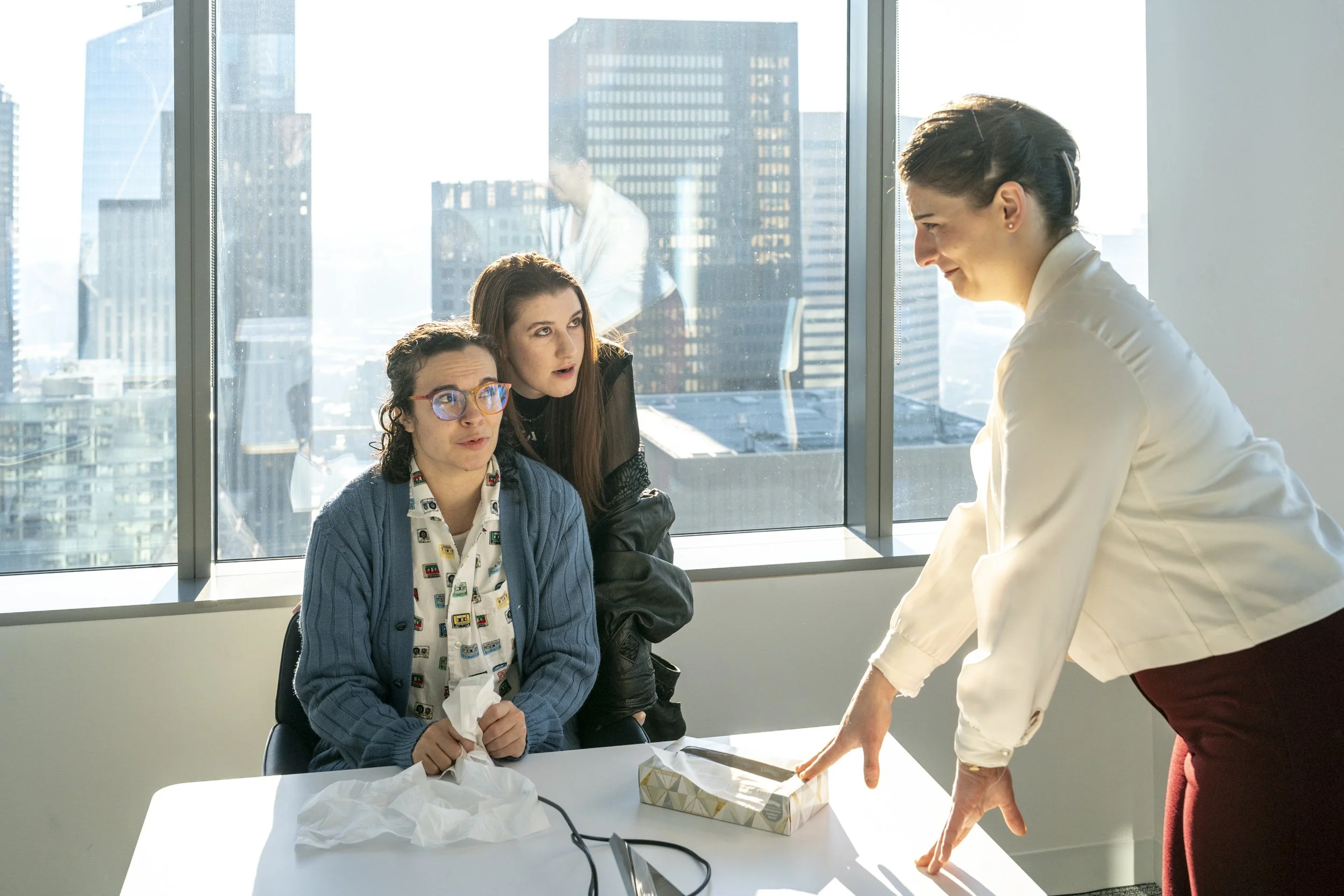
l to r: Monica Domena as Celeste, Mariah Lee Squires as Evelyn, and Meghan Ames as Robin. Photo by Kirk Hostetter

l to r: Monica Domena as Celeste, Mariah Lee Squires as Evelyn, Gretchen Douma as Theresa, and Meghan Ames as Robin. Photo by Kirk Hostetter
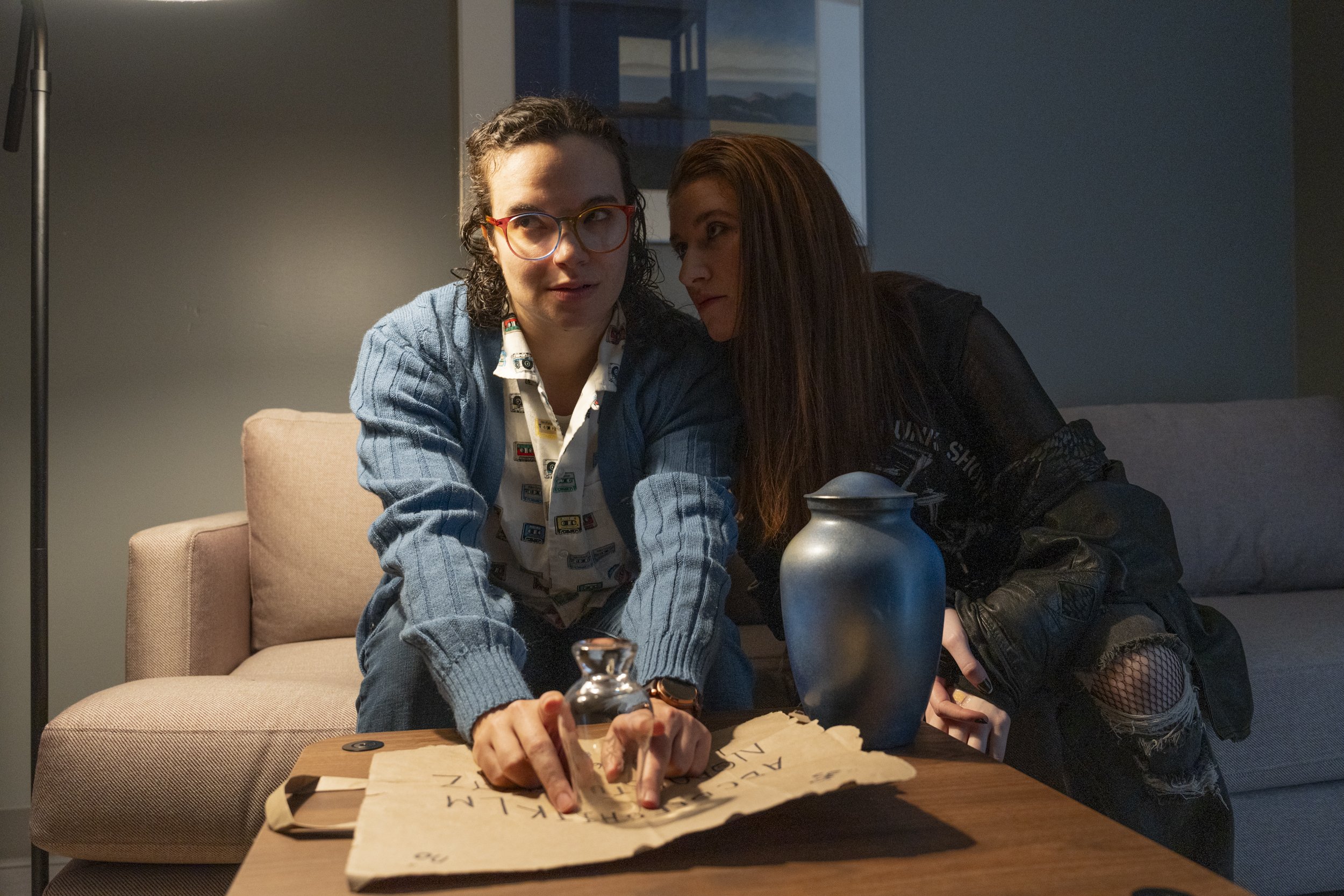
l to r: Monica Domena as Celeste and Mariah Lee Squires as Evelyn. Photo by Kirk Hostetter

l to r: Monica Domena as Celeste and Mariah Lee Squires as Evelyn. Photo by Kirk Hostetter

Mariah Lee Squires as Evelyn. Photo by Kirk Hostetter
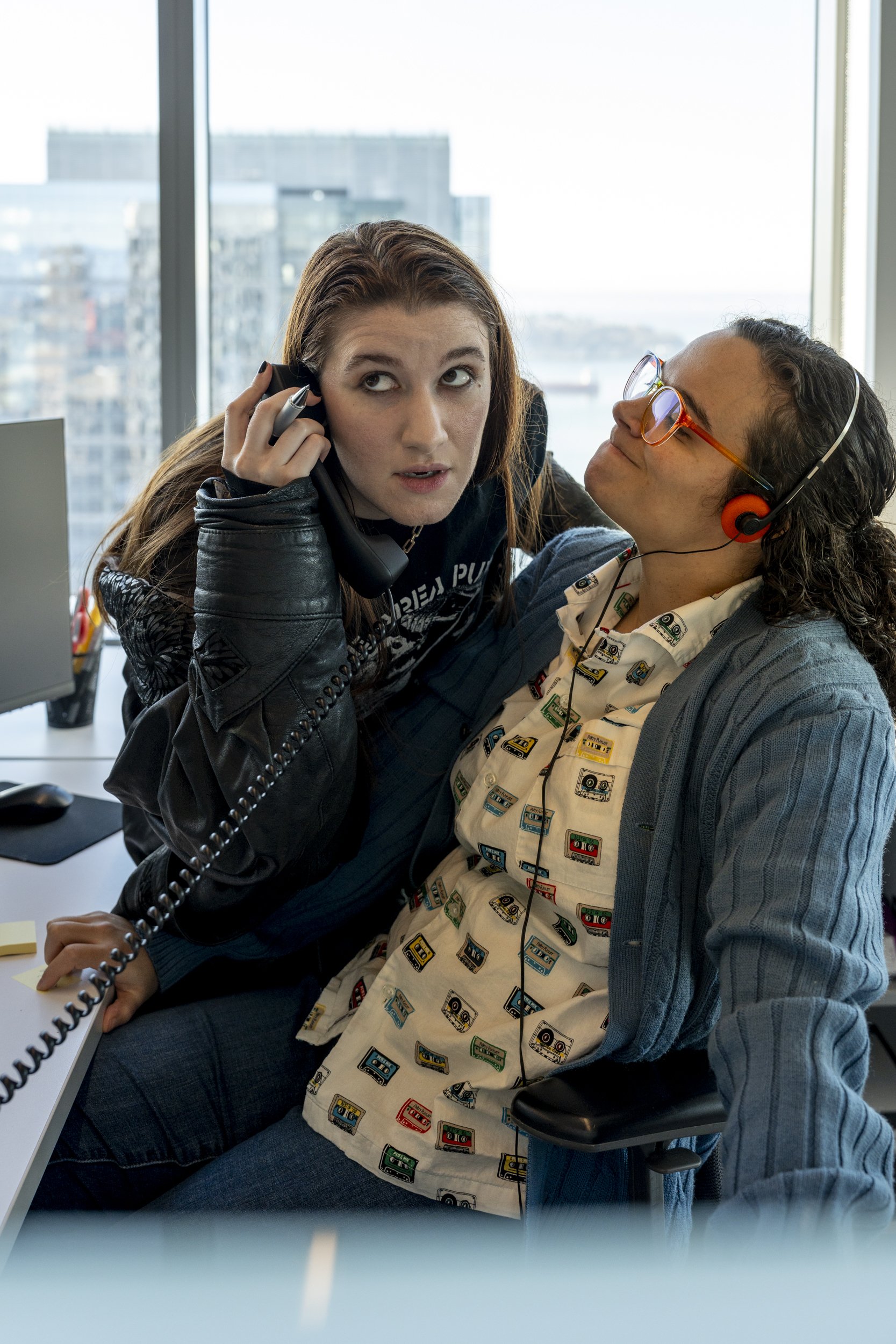
l to r: Mariah Lee Squires as Evelyn and Monica Domena as Celeste. Photo by Kirk Hostetter

l to r: Monica Domena as Celeste and Meghan Ames as Robin. Photo by Kirk Hostetter

l to r: Meghan Ames as Robin and Gretchen Douma as Theresa. Photo by Kirk Hostetter
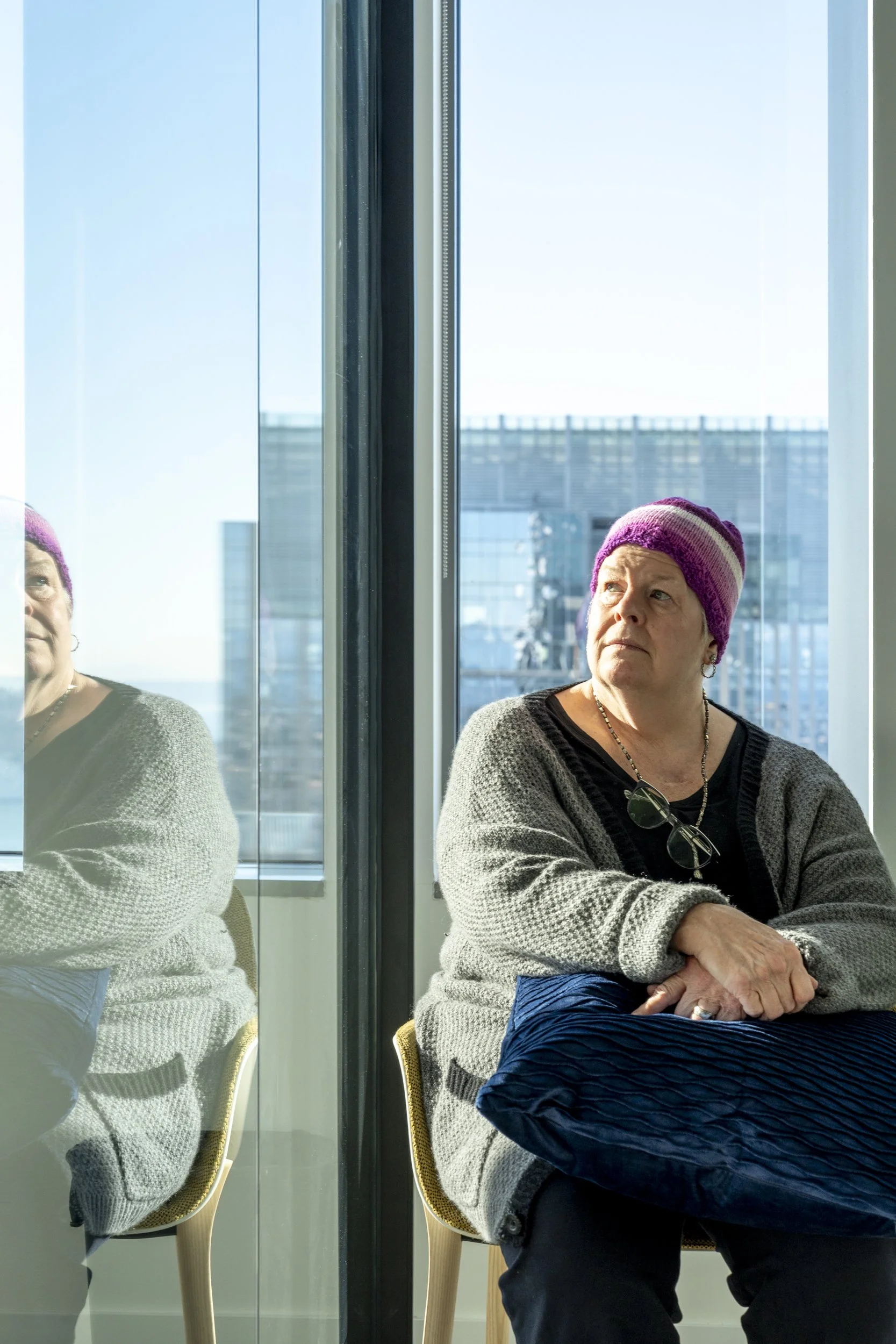
Gretchen Douma as Theresa. Photo by Kirk Hostetter

Cast photo. l to r: Meghan Ames, Mariah Lee Squires, Gretchen Douma and Monica Domena. Photo by Kirk Hostetter.

Cast and Understudies. l to r: Karin Rogers, Meghan Ames, Mariah Lee Squires, Gretchen Douma, Monica Domena, and Sara Glauser. Photo by Kirk Hostetter.